Community
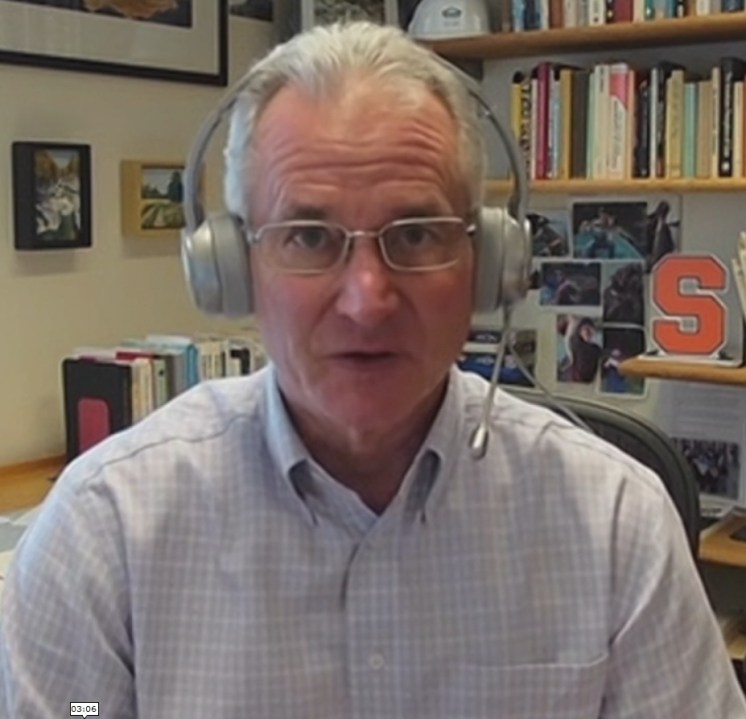
Interview: SU political science professor Grant Reeher talks Election Day aftermath
By Leila Ahmed
Advertisement · Why this ad?
A graduate of the University at Buffalo, Leila has spent five years in journalism, previously working at a community-focused news outlet in Rochester, NY. She specializes in uncovering the diverse voices and cultural richness of Syracuse’s neighborhoods, bringing their stories to light.
More from Leila →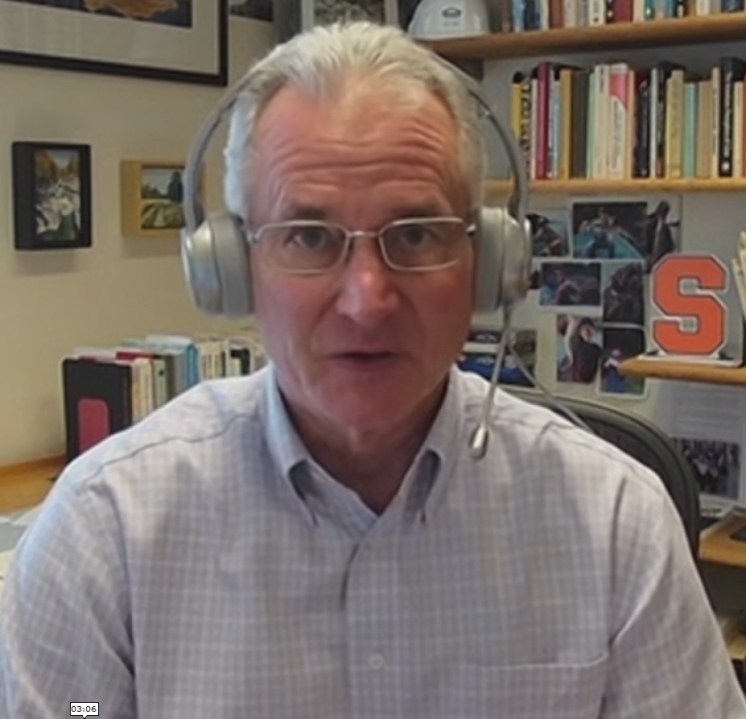
As the sun set over Syracuse on November 8, 2026, the streets buzzed with a mix of excitement and anxiety. Residents gathered in homes and coffee shops, their faces lit by the glow of television screens, eagerly awaiting the election results. Among them was Dr. Grant Reeher, a political science professor at Syracuse University, who had just shared his insights on the election's significance. With a wealth of knowledge and a passion for civic engagement, Reeher has become a trusted voice in the community, guiding discussions about the political landscape.
In the wake of the 2026 elections, Reeher reflected on the outcomes and their implications for Syracuse and beyond. “Elections are not just about numbers; they are about the stories of people and communities,” he said. His words resonate deeply within a city that prides itself on its rich history and vibrant community spirit. Reeher emphasized that the results would shape policy directions affecting education, healthcare, and local economic development.
As results poured in, it became clear that voter turnout was notably high, a testament to the community's engagement. Reeher noted that this enthusiasm is crucial for democracy. “When people feel invested in the process, they are more likely to hold their elected officials accountable,” he added, highlighting the importance of civic responsibility.
In Syracuse, where local issues often take center stage, Reeher pointed out that the election results would likely influence discussions around critical topics such as public safety and infrastructure. “The decisions made today will echo for years to come,” he stated, urging residents to remain active participants in local governance.
As the community absorbed the election results, various voices emerged, each reflecting the diverse perspectives of Syracuse residents. Many expressed hope for change, while others voiced concerns about the direction of local policies. Reeher noted that these differing opinions are essential for a healthy democracy. “It’s vital that we listen to one another, even when we disagree,” he said. “Engagement doesn’t stop after the polls close.”
Local organizations and community leaders have been working tirelessly to ensure that citizens feel empowered to voice their opinions and participate in decision-making processes. Groups like the Syracuse Chamber of Commerce and various grassroots initiatives have been instrumental in fostering dialogue among residents. One such initiative is the Syracuse University Engagement Project, which aims to connect students with local issues. Reeher, who is involved in this project, believes that engaging younger generations is crucial for the future of the community. “Students bring fresh ideas and perspectives that can invigorate local discussions,” he remarked.
As the election results unfolded, stories began to emerge from different neighborhoods in Syracuse, highlighting the diverse experiences of its residents. For instance, Maria Gonzalez, a local small business owner, expressed her relief at the election outcome, stating, “I feel like my voice was heard, and now I hope for policies that support small businesses like mine.” Her sentiments were echoed by many in the entrepreneurial community, who are eager for new initiatives that promote economic growth and job creation.
On the other hand, some residents, like James Thompson, a retired firefighter, voiced concerns about public safety and community funding. “I worry that the new leadership may not prioritize the funding our fire department needs,” he shared. This sentiment reflects a broader anxiety among public service workers about the potential shifts in budget allocations following the election.
In the aftermath of the election, Reeher emphasized the importance of unity and collaboration among community members. “We must come together to address the challenges that lie ahead,” he urged. With pressing issues such as economic recovery and social equity at the forefront, the need for collective action has never been more urgent.
Reeher pointed out that the next steps involve not only holding elected officials accountable but also actively participating in local governance. “It’s about more than just voting; it’s about being engaged in the community,” he said. This sentiment is echoed by many residents who are eager to see positive changes in their neighborhoods.
As Syracuse navigates the post-election landscape, Reeher encourages citizens to take advantage of available resources. The Onondaga County website provides information on local initiatives and ways to get involved, making it easier for residents to stay informed and engaged. Local town halls and community forums are also being organized to facilitate discussions about the future of the city, providing platforms for residents to express their concerns and ideas directly to their elected officials.
One of the significant challenges facing Syracuse is bridging the divides that often arise in political discourse. Reeher emphasized the importance of dialogue and understanding, stating, “We need to create spaces where people can come together, share their views, and find common ground.” Initiatives aimed at fostering inter-community dialogues are being launched, where residents from different backgrounds can engage with one another, addressing not only political issues but also social concerns that affect their daily lives.
Another vital aspect of community engagement is the involvement of Syracuse's youth. Local high schools and colleges are stepping up to ensure that young people understand their civic duties and the power of their votes. Programs like the Syracuse University Civic Engagement Initiative are designed to educate students on local governance and encourage them to participate in community service. Reeher noted, “By fostering a sense of civic responsibility in our youth, we are planting the seeds for a more engaged future.”
As Syracuse moves forward from the 2026 election, the words of Grant Reeher serve as a reminder of the power of community engagement. “Change begins at the local level,” he said, urging residents to take an active role in shaping their future. With a renewed sense of purpose, the people of Syracuse are poised to embrace the challenges ahead, committed to building a brighter future for all.
In a world where political divisions often overshadow common goals, Reeher’s message resonates deeply: it is through understanding, dialogue, and collaboration that communities can thrive. As Syracuse embarks on this journey, the hope is that every citizen will rise to the occasion, ensuring that their voices are heard and their dreams realized. The upcoming months will be pivotal as residents begin to implement the changes they wish to see, fostering a sense of ownership over their community’s future.
As Syracuse continues to evolve, the commitment to civic engagement will be crucial in navigating the complexities of local governance. Reeher's insights remind us that the strength of a community lies not just in its leadership but in the active participation of its citizens. With the right resources and a collective vision, Syracuse can emerge as a model for democratic engagement, inspiring other communities to follow suit.
By Leila Ahmed
By Leila Ahmed
By Leila Ahmed
By Maria Gomez