Serbia marks the second anniversary of a train station tragedy that fueled student protests
Evelyn graduated from Bard College with a degree in Art History. She has spent the past three years covering local art events and cultural happenings for Rochester City Newspaper, bringing a unique perspective to the city’s vibrant arts scene.
More from Evelyn →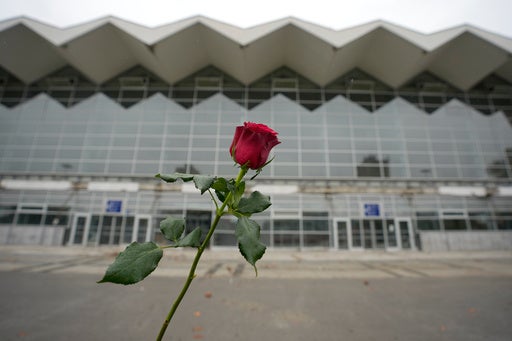
On a drizzly Sunday afternoon in Novi Sad, Serbia, a somber gathering took place at the site of a tragedy that forever altered the lives of many. As raindrops fell softly on the pavement, a group of students and their supporters solemnly placed 16 wreaths and red hearts outside the train station, marking the second anniversary of the canopy collapse that claimed 16 lives. Among the mourners were families who had lost loved ones, their faces etched with grief yet illuminated by a flicker of hope. This moment, steeped in remembrance, was not only a tribute to the victims but also a testament to the resilience of a generation determined to seek justice and accountability.
What Happened
The tragic event unfolded on November 1, 2024, at precisely 11:52 a.m. when a massive concrete canopy, part of the station's renovation, crumbled unexpectedly, crushing those waiting for trains beneath its weight. Fourteen people perished instantly, while two more succumbed to their injuries in the following days. Among the casualties were children, innocent lives lost in an incident that many believe was a result of corruption and negligence.
In the wake of the disaster, the Serbian government initially claimed that the canopy had not undergone any renovations, prompting outrage and protests across the nation. Citizens took to the streets, blocking traffic and demanding justice for the victims. The canopy collapse became a rallying cry, igniting a student-led movement that would ultimately lead to significant political change in Serbia.
Fast forward to November 1, 2026, and the atmosphere at the memorial was markedly different. This year, participants expressed a sense of hope that justice would finally be served. The recent parliamentary elections had resulted in the stunning defeat of Aleksandar Vucic’s long-ruling Serbian Progressive Party (SNS), a shift that many believe could pave the way for accountability regarding the tragedy.
Community Reaction
The memorial service was attended by thousands who marched in silence, a poignant reminder of the lives lost. The students brought with them not only wreaths but also stories of resilience and determination. A student leader, speaking at the event, described the canopy collapse as a “murder” that demanded justice, emphasizing the need for a more just society for future generations. “We will not forget them,” the student vowed, echoing the sentiments of many present.
In the aftermath of the tragedy, the student-led protests have become some of the largest anti-government demonstrations in Serbian history. The movement has not only sought justice for the victims of the canopy collapse but has also aimed to root out corruption that has plagued the nation for years. The students have made it clear that their fight is not just for accountability but for a brighter future built on transparency and integrity.
The Role of Social Media
Social media played a crucial role in galvanizing support for the protests. Students utilized platforms like X (formerly Twitter) to share their messages, organize rallies, and bring attention to the ongoing struggle for justice. The head of the European Union mission in Serbia, Andreas von Beckerath, acknowledged this impact, stating that the canopy collapse “shook Serbia to its core” and inspired citizens to demand change.
The Aftermath of the Tragedy
Two years have passed since that fateful day, yet the shadow of the canopy collapse looms large over the nation. While initial investigations led to charges against 13 individuals, including a government minister, the lack of progress in the legal proceedings has left many feeling frustrated and disillusioned. As the students continue to push for a thorough review of the investigations, they remain steadfast in their commitment to holding those responsible accountable.
As the anniversary approached, the atmosphere in Novi Sad was charged with emotion. Many recalled the chaotic scenes of the protests that erupted in the days following the collapse, where citizens united in their demand for justice. The independent investigation revealed that the renovation work had been rushed under political pressure, highlighting a troubling pattern of corruption and a systematic degradation of construction standards.
Personal Stories of Loss
The impact of the canopy collapse extended beyond the immediate tragedy, affecting families and communities across Serbia. Among those who attended the memorial was Milena, a mother who lost her 10-year-old daughter in the disaster. “I come here every year to remember her and to remind others that we must fight for justice,” she shared, her voice trembling with emotion. “This tragedy should not have happened, and we must ensure that it never happens again.”
Such personal stories resonate deeply within the community, reinforcing the urgency of the students' mission. Many families have formed support networks, coming together to share their grief and their hopes for a future where accountability prevails. This solidarity has empowered the movement, turning personal loss into a collective call for change.
Looking Forward
With the recent electoral shift, the students’ movement is now poised to influence the future of Serbia in profound ways. The new government faces mounting pressure to address the grievances that have fueled protests for the past two years. The canopy collapse has become a symbol of the struggle for rule of law and accountability, and the students are determined to ensure that the memory of the victims is not forgotten.
As the community continues to mourn, there is a growing sense of optimism that change is on the horizon. The students have vowed to remain vigilant, advocating for reforms that will restore public trust in government institutions. In their speeches, they emphasized the importance of solidarity and the need for a collective effort to build a society where justice prevails.
A Call to Action
The anniversary serves as a reminder that the fight for justice is far from over. As the students march forward, they are not only honoring the memory of the 16 victims but also laying the groundwork for a future where such tragedies are prevented. Their commitment to transparency and accountability resonates deeply within the community, inspiring others to join the cause.
The Role of International Support
International organizations and human rights advocates have also taken note of the events unfolding in Serbia. The European Union has expressed its support for the students’ movement, emphasizing the importance of upholding democratic values and human rights. Activists from various countries have reached out to Serbian students, offering solidarity and sharing strategies that have proven effective in their own struggles against corruption and injustice.
This global attention has not only amplified the voices of the students but has also placed additional pressure on the Serbian government to act. As the students continue their fight, they are reminded that they are part of a larger movement for justice that transcends borders.
Conclusion
The canopy collapse at the Novi Sad train station will forever be etched in the hearts of those who lost loved ones that day. As Serbia marks the second anniversary of this tragedy, the collective grief is intertwined with a renewed sense of purpose. The students’ movement stands as a testament to the power of youth activism and the enduring quest for justice. With each passing year, they remind us that the fight for accountability is not just a matter of politics; it is a matter of human dignity and respect for life.