Schools
More than a dozen flights in Europe receive bomb threats that an official calls ‘malicious’ hoaxes
By Lucas Grant
Advertisement · Why this ad?
A former educator, Lucas holds a degree in Education from Nazareth College and has transitioned to journalism, focusing on education reporting for the Rochester Beacon. He aims to shed light on both the challenges and triumphs within local schools.
More from Lucas →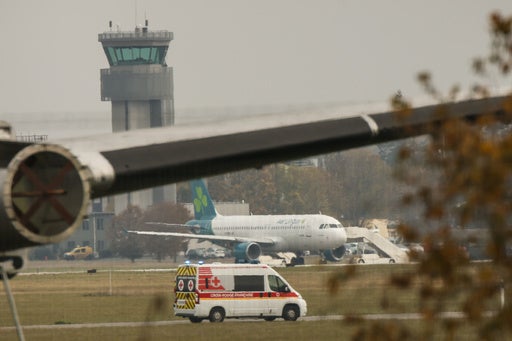
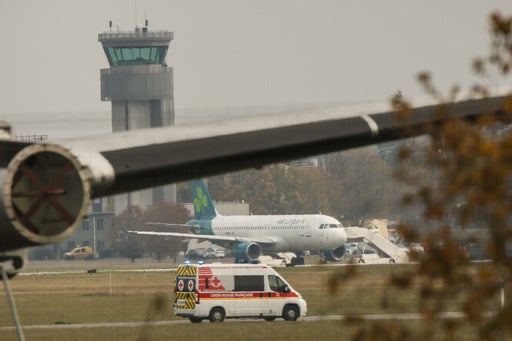
On a chilly November morning in 2026, passengers aboard an Aer Lingus flight from Dublin to Rome experienced a moment of sheer panic as their aircraft was unexpectedly diverted to a military airbase in Evreux, France. The flight, which was supposed to be a routine journey, suddenly transformed into a scene reminiscent of a Hollywood thriller, as two warplanes escorted the Airbus A320 to safety amidst a bomb threat. This incident was not isolated; it marked a troubling trend of bomb threats targeting flights across Europe, prompting serious questions about safety and security in an increasingly volatile world.
On November 5, 2026, a wave of bomb threats led to the diversion of multiple flights across Europe, causing alarm among passengers and crew alike. Authorities reported that over a dozen flights, including those originating from major cities like Copenhagen, Dublin, Helsinki, and Madrid, were affected. Fortunately, inspections conducted after these alarming threats revealed no hazardous or suspicious materials on board any of the aircraft, but the psychological toll on those involved cannot be understated.
The situation escalated when the Aer Lingus flight was ordered to land in Normandy following the bomb threat. The Irish pilot initially refused to comply, leading French authorities to dispatch two military jets to escort the aircraft to safety. This dramatic turn of events highlights the seriousness with which authorities are treating these threats, regardless of their validity.
As the investigation unfolded, it became apparent that the threats were not random acts of malice but rather orchestrated communications from a self-identified anti-feminist group. An email sent to various airports contained the bomb threat, raising concerns about the motivations behind such actions. It is a stark reminder of how societal tensions can manifest in dangerous and disruptive ways, impacting innocent lives.
The response from the flying community and the general public has been one of shock and confusion. Many passengers who found themselves caught in the middle of these threats expressed their concerns over the safety of air travel in today’s world. An anonymous traveler from Dublin, who was on the Aer Lingus flight, recounted the fear that gripped the cabin as they were informed of the diversion. "We were all just trying to get to our destinations, and suddenly we were in the middle of a crisis. It’s terrifying to think that someone would target innocent people like this," they shared.
Airlines, too, have taken these threats seriously. Aegean Airlines confirmed that two of their flights received bomb threats that were ultimately deemed hoaxes. In a statement, they emphasized that the safety of their passengers and crew remains their highest priority. This sentiment resonates with many airlines as they navigate the complexities of ensuring security while maintaining operational efficiency.
Britain’s transport secretary, Heidi Alexander, addressed the media, labeling the threats as “malicious hoaxes” and underscoring the established protocols in place for handling such situations. However, the lack of detailed information regarding these protocols left many wondering about the adequacy of current security measures. The public’s trust in air travel safety hinges on transparent communication from authorities, especially in times of crisis.
In the Czech Republic, police were mobilized to respond to threats affecting four planes landing at Prague’s Vaclav Havel Airport. The swift action taken by law enforcement is commendable, yet it also raises questions about the frequency and nature of such threats in recent times. The potential for panic is high, and communities are left grappling with the implications of living in a world where air travel can be disrupted by acts of intimidation.
The recent bomb threats have had a ripple effect on air travel throughout Europe. Passengers are now more aware of the potential dangers associated with flying, leading to increased anxiety levels and a general sense of unease. Airlines are faced with the challenge of balancing the need for security with the necessity of providing a positive travel experience. Frequent travelers are left wondering how these incidents will shape the future of air travel.
Airlines are also adjusting their security protocols in response to the heightened threat level. Enhanced screening measures, increased communication with law enforcement, and more rigorous training for crew members are just a few of the steps being implemented. These changes, while necessary, may also lead to longer wait times at airports and a more cumbersome travel experience for passengers.
Moreover, the financial implications for airlines cannot be overlooked. Disruptions caused by bomb threats can lead to significant financial losses due to flight cancellations, rerouting, and the costs associated with heightened security measures. In an industry already grappling with the effects of the pandemic, these additional challenges are particularly daunting.
As investigators continue to probe the origins of the bomb threats, the aviation industry must remain vigilant. The recent incidents serve as a wake-up call, highlighting the need for enhanced security measures and better communication between airlines and authorities. The public deserves assurance that their safety is the top priority, and that every possible measure is being taken to prevent such disruptions in the future.
Looking ahead, it’s crucial for communities to come together to support one another during these uncertain times. Strong families and committed relationships can provide a sense of stability amidst the chaos. As we navigate the complexities of modern life, it’s important to foster authentic connections and build trust within our communities.
In the coming weeks, we can expect to see increased discussions around aviation security protocols, as well as potential legislative measures aimed at addressing the root causes of such threats. The focus should be on creating a safer environment for all travelers, while also addressing the societal issues that give rise to such extremist behaviors.
Ultimately, the incidents of November 5 serve as a reminder of our shared humanity. Each passenger on those flights had their own story, their own hopes and dreams, and they deserve to travel without fear. It’s up to all of us—families, communities, and authorities—to work together to ensure that air travel remains a safe and accessible means of connecting with one another.
By Lucas Grant

By Samantha Reed

By Samantha Reed

By Marcus Chen